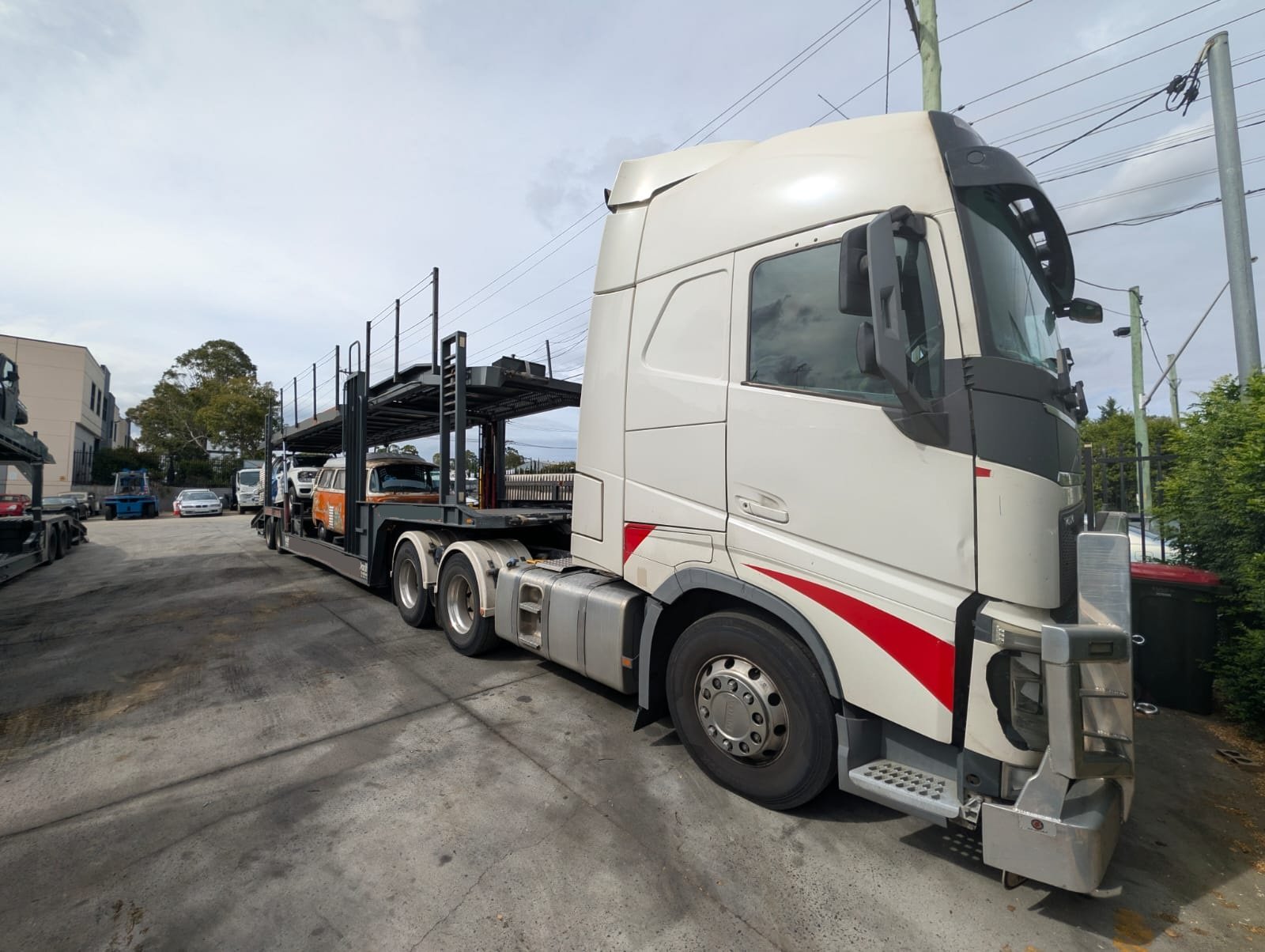
Door to door car transport means the vehicle is collected from your address (or as close as a truck can safely get) and delivered to the destination address. Depot to depot car transport means you drop the car at a terminal and collect it from another terminal at the other end.
If you value convenience and flexibility, door to door is usually the better fit. If your schedule is flexible and you live close to a depot, depot to depot can suit you well. The details below will help you decide.
Moving a car across Australia is not like posting a parcel. Distances are huge, regional routes can be long and remote, and your timetable is rarely as tidy as you’d like. According to the Bureau of Infrastructure and Transport Research Economics, Australia’s freight task continues to grow across road, rail and sea, which means the logistics behind moving one vehicle are shaped by a much bigger network.
Before you request a quote, you need to answer one question: how involved do you want to be? Door to door puts the effort on the transporter. Depot to depot shares some of it with you. Neither is “better” in every situation, so let’s break them down.
Door to door car transport is the service most people picture when they think of car delivery to your door. A driver arrives at the pickup address, you (or someone you nominate) hand over the keys and sign the condition report, and the vehicle is loaded onto a carrier. At the other end, it’s delivered to your chosen address.
A quick note on the phrase “door to door car shipping”: it sometimes gets used for overseas moves too, but within Australia it simply means the vehicle travels between addresses by road. In some cases, a large carrier can’t physically fit down a narrow street, a steep driveway or a gated estate. When that happens, the driver will usually meet you at a nearby safe, legal spot, such as a wide road or car park. That’s still considered door to door.
Depot to depot car transport is a terminal-based option. You drive your vehicle to a designated depot in your origin city, and the car is loaded onto a transporter from there. When it arrives at the destination depot, you collect it.
Because the truck stays on main routes and picks up from a central location, it removes some of the stop-start detours of residential collection. That’s why many people see it as the “do a bit yourself” option. Searches like “car transport depot drop off” usually come from people who are weighing exactly this trade-off.
| Factor | Door to Door | Depot to Depot |
|---|---|---|
| Convenience | Very high | Moderate |
| Your effort | Minimal | You travel to and from depots |
| Flexibility of handover | Scheduled windows | Within depot hours |
| Best for | Busy people, families, regional addresses | Flexible schedules, people near depots |
| Access issues | Sometimes needs a nearby meeting point | Not an issue |
| Need a lift home? | No | Usually yes |
| Hassle level | Low | Medium |
Rather than leaving you with a generic list, here’s how the decision often plays out.
When you’re starting a new job in another state, you’ve got a lease to sign, boxes to move and little spare time. Door to door makes sense. It takes one task off your plate, and you can focus on settling in.
If the nearest depot is a long drive away, depot to depot can cancel out its own benefits. The distance to the terminal, plus the return trip, may be more hassle than it’s worth. Door to door is typically the more practical pick here.
If you live a short drive from the terminal and your dates are loose, depot to depot can work well. You’re not tied to a pickup window, and you can organise drop-off around your own plans.
Whether it’s a classic, a family car or a vehicle with sentimental value, the decision usually comes down to handling and peace of mind. Fewer touchpoints can feel reassuring. A door to door pickup means the vehicle is loaded once at your address and unloaded once at the destination. It’s worth speaking to your transporter about how your specific vehicle will be loaded and secured.
Regardless of the method, preparation protects you and your vehicle.
If you’re moving a car into or out of Tasmania or Western Australia, remember that biosecurity rules can apply. Biosecurity Tasmania offers guidance for items and vehicles entering the state, and a clean vehicle (especially the underbody and wheel arches) helps avoid delays.
Whichever service you pick, you’re entitled to clear information about what you’re buying. The Australian Competition and Consumer Commission explains consumer guarantees and your rights when purchasing services in Australia. It’s worth reading the quote, terms and conditions carefully so you know what’s included, how delivery timeframes are described and what happens if something goes wrong.
Also look into how the carrier operates. Road transporters in Australia work within a regulatory framework, and the National Heavy Vehicle Regulator publishes information on heavy vehicle safety and compliance that gives helpful context on how the industry runs.
Myth 1: “Door to door always means the truck stops right outside my house.”
Not always. Safety, council rules and vehicle size can mean a short walk to a nearby meeting point.
Myth 2: “Depot to depot is always faster.”
Speed depends on routes, schedules and distance, not just the pickup method.
Myth 3: “Depot drop-off is less safe.”
Depots are built to handle vehicles. What matters is how your carrier loads, secures and tracks your car.
Myth 4: “I can’t change my mind.”
It’s worth asking your transporter. Depending on availability, there may be room to adjust.
Choosing between the two services is easier when you talk it through with people who handle this every day. At Unicorn Car Transport, we help customers weigh up their route, timeline and access, then recommend the option that fits their situation, not just the one that’s easiest to sell.
If you’re still undecided, you can explore our car transport services or request a personalised quote and tell us where you’re moving from and to. We’ll explain how each option would work for your trip, and you can choose with confidence.
Door to door collects and delivers the vehicle at your chosen addresses. Depot to depot requires you to drop off and pick up the car at terminals.
Often yes, though access depends on road conditions and the size of the carrier. A nearby meeting point may be arranged if the truck can’t reach the exact address.
For door to door, you or an authorised person typically needs to be there to sign the condition report. For depot to depot, you’ll handle the drop-off and collection yourself.
Pricing depends on many factors, such as route, vehicle and timing. The best way to compare is to request quotes for both options on the same journey.
It’s best not to. Most carriers advise removing personal belongings because they may not be covered during transit.
Think about convenience, how far you are from a depot, how flexible your schedule is and whether a truck can access your street.
There’s no one-size-fits-all answer to the door to door vs depot to depot car transport question. Door to door gives you maximum convenience and suits busy movers, families and regional customers. Depot to depot rewards flexibility and works nicely if you live near a terminal and don’t mind the extra step.
Weigh up your time, your location and your comfort level, then pick the option that makes your move easier, not harder. And if you’d like a second opinion, the team at Unicorn Car Transport is always happy to help.