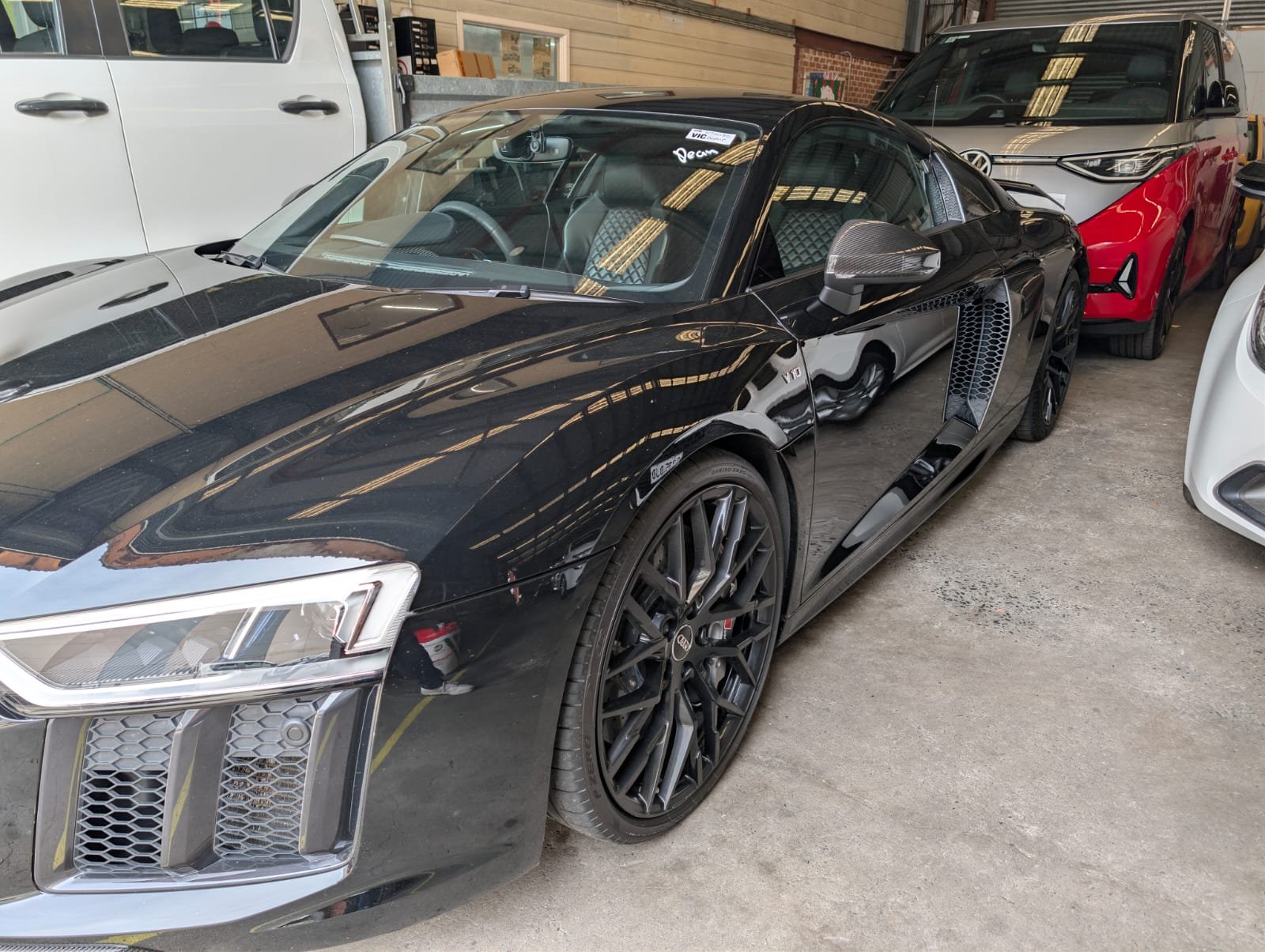
Picture a car dealership in Sydney that's just won a supply contract with a Perth showroom. Or a rental company shifting twenty sedans ahead of the tourist season. Or a corporate office relocating its entire company car pool from Melbourne to Brisbane. In every one of these situations, the question is the same: how do you move a group of vehicles interstate without pulling staff off their real jobs, without risking damage, and without the whole thing turning into a logistics headache?
That's what fleet vehicle transport is built to solve. It's a specialised corner of the car transport industry, distinct from moving a single family car, and it comes with its own planning, paperwork, and scheduling considerations. This guide walks through how it actually works in Australia, who uses it, and what to think about before you book.
Quick summary: Fleet vehicle transport is the coordinated interstate movement of several vehicles for a business, dealership, government body, or organisation, usually using multi-car carriers rather than one truck per vehicle. It's shaped by distance, vehicle count and type, carrier availability, and compliance with national heavy vehicle rules — not by a single flat rate, since every fleet move is different.
At its core, fleet vehicle transport means arranging the pickup, transit, and delivery of multiple vehicles at once, typically as part of a single coordinated job rather than several separate bookings. Instead of a customer driving their own car onto a carrier, a transport provider works with a business to plan pickup locations, delivery windows, and vehicle handling for an entire batch of cars, utes, vans, or even specialty vehicles.
The mechanics are similar to standard interstate car transport — vehicles are loaded onto open or enclosed carriers and driven to their destination by professional operators — but the coordination layer is much heavier. A single dealership shipment might involve different vehicle sizes, some drivable and some not, arriving from more than one location and needing to land at a single depot on a set date.
Fleet transport isn't just a bigger version of a personal car move. It tends to come from a specific set of business needs:
If any of these sound familiar, the challenge usually isn't "can this be transported" — it's "how do we get all of them there on time, intact, and with minimal disruption to the business."
Australia's geography doesn't do anyone favours here. A fleet move from Perth to Brisbane, for example, can cover well over 4,000 kilometres by road, and that distance introduces variables that a short local trip never has to deal with.
Coordination across multiple pickup and drop-off points. Fleets rarely start and end in exactly one location. Vehicles might be scattered across several dealership sites or depots, and delivery needs to be sequenced so nothing sits idle.
Regulatory compliance for the carriers themselves. Multi-deck car carriers are heavy vehicles, and they operate under national rules covering length, height, and load limits. The National Heavy Vehicle Regulator sets specific dimension limits for vehicle carriers, including how far a carrier's rear overhang can extend beyond the last vehicle loaded on a multi-deck trailer. This is one reason fleet transport should always go through operators who understand these limits rather than being pieced together informally.
Vehicle condition and documentation. With one car, a single damage report is easy to manage. With fifteen or twenty, you need consistent condition checks, photos, and paperwork for every vehicle so nothing gets disputed on delivery.
Scheduling around business operations. A dealership can't have its showroom sitting empty while it waits for new stock, and a rental company can't afford idle vehicles during peak booking periods. Fleet transport timing often has to work backward from a business deadline, not the other way around.
Mixed vehicle types in one shipment. Fleets are rarely uniform. A single job might include sedans, SUVs, utes, and non-running vehicles, each with different loading requirements and carrier compatibility.
Despite the added complexity, the underlying process for business car transport in Australia follows a fairly consistent structure:
The main decision points for a business are usually open versus enclosed carriers, and depot versus door-to-door delivery — both of which affect scheduling and how the quote is calculated, without needing to lock in a single flat cost upfront.
This isn't a niche concern. Australia's registered vehicle fleet runs into the tens of millions, and the federal government's own vehicle data collection now tracks these numbers annually through BITRE, reflecting just how large and active the country's vehicle base has become. A meaningful share of that fleet sits with businesses, dealerships, and government bodies rather than private owners.
That scale is exactly why formal fleet management has become its own discipline. The Australian Government itself runs a structured whole-of-government vehicle leasing and fleet management arrangement, with defined responsibilities for how fleet vehicles are selected, managed, and relocated across agencies. Private businesses are increasingly borrowing the same logic: treating vehicle relocation as a planned, recurring logistics function rather than something handled ad hoc every time a car needs to move.
Outsourcing that relocation to a dedicated interstate transport provider means:
Because every fleet move is different, bulk vehicle transport quotes are built from a handful of variables rather than a single number that applies to everyone. The main factors are:
To get the most accurate quote, it helps to have vehicle specifications, pickup and delivery addresses, and your preferred timeframe ready before reaching out. Businesses moving fleets regularly also benefit from building an ongoing relationship with one transport provider, since repeat bookings mean less back-and-forth on details each time.
Easy Car Transport works across every state and territory, which matters when a fleet job involves more than one pickup point or an unusual combination of vehicle types. Our network covers the busiest interstate corridors as well as less common routes, and we can arrange open or enclosed carriers depending on what the vehicles in your fleet actually need.
For businesses, that means one point of contact managing collection, transit, and delivery across the whole batch, rather than coordinating separate bookings for each vehicle. If you're planning a dealership stock move, a rental fleet rebalance, or a corporate relocation, our team can walk through the details and put together bulk vehicle transport quotes tailored to your fleet. You can also check our FAQ page for more on how the process works before you get in touch.
What counts as fleet vehicle transport?
Any interstate move involving multiple vehicles booked and coordinated together for a business, dealership, rental company, or government body, rather than a single personal vehicle move.
Can different vehicle types be transported in the same fleet shipment?
Yes. Sedans, SUVs, utes, and commercial vehicles can often be combined in one job, though the mix affects which carriers are used and how the load is arranged.
How far in advance should a business book fleet transport?
As early as possible, especially for larger fleets or tight delivery deadlines. Early booking gives providers more flexibility in matching carriers to your route and timing.
Do non-running vehicles cost more to include in a fleet shipment?
Non-running vehicles typically need different loading equipment and handling, which is factored into the quote rather than charged as a flat add-on.
Is insurance included for fleet vehicle transport?
Reputable providers carry insurance coverage for vehicles in transit, but it's worth confirming the specifics for your fleet, particularly for high-value or specialty vehicles.
Moving one car interstate is straightforward enough. Moving a fleet is a different exercise entirely — one that rewards planning, clear documentation, and a transport partner who's actually set up for multi-vehicle jobs rather than treating your fleet as twenty separate bookings. Get those pieces right, and relocating a business fleet across Australia becomes a routine operational task instead of a recurring source of stress.