If you’ve recently purchased a hybrid car—or you're planning a massive interstate move—you already know the perks of dual-engine driving. Great fuel economy, a quieter ride, and a smaller carbon footprint. But when it’s time to move that vehicle across the country, a major question pops up: exactly how much does hybrid vehicle transport cost?
We’d love to hand you a simple, one-size-fits-all menu with fixed transport rates. However, the auto logistics industry doesn't quite work like a drive-thru. Instead of a flat fee, your transport quote is carefully calculated based on a unique set of variables.
Let’s lift the hood and break down exactly what goes into pricing hybrid vehicle transport in Australia, what hidden factors you need to watch out for, and how you can get the best possible deal.
You might be wondering if a hybrid is treated differently than a standard petrol or diesel car on a transport truck. The short answer is yes—primarily because of weight.
According to data from the Federal Chamber of Automotive Industries (FCAI), hybrid vehicles are making up a massive, rapidly growing percentage of new car sales in Australia. As these vehicles flood our highways, transport carriers have had to adjust their logistics.
Hybrids carry both a traditional internal combustion engine and a heavy high-voltage battery pack. This dual-system design makes them significantly heavier than their standard counterparts. Because car carriers have strict legal weight limits mandated by authorities like the National Heavy Vehicle Regulator (NHVR), a truck can only haul a certain amount of mass. If a truck is loaded with heavy hybrids and EVs, it might not be able to carry as many vehicles as it normally would. This weight factor plays a foundational role in how transport companies calculate your specialized quote.
While we can’t give you an exact dollar amount without knowing your specific situation, we can tell you exactly how the final number is generated. Here are the major factors that will influence the cost of your hybrid vehicle transport:
This is the most obvious factor, but it's also the most impactful. Shipping a hybrid from Sydney to Melbourne is a well-travelled, highly competitive freight lane. Because trucks run this route daily, the logistics are highly optimized, which keeps your quote incredibly competitive.
On the flip side, transporting a vehicle from a major city to a remote regional area—say, crossing the Nullarbor to regional Western Australia or heading up to Far North Queensland—requires specialized logistics, longer driver hours, and extra fuel. The sheer distance and the remoteness of the destination will naturally increase your final quote.
When you book hybrid vehicle transport, you’ll typically be offered two choices for the carrier type:
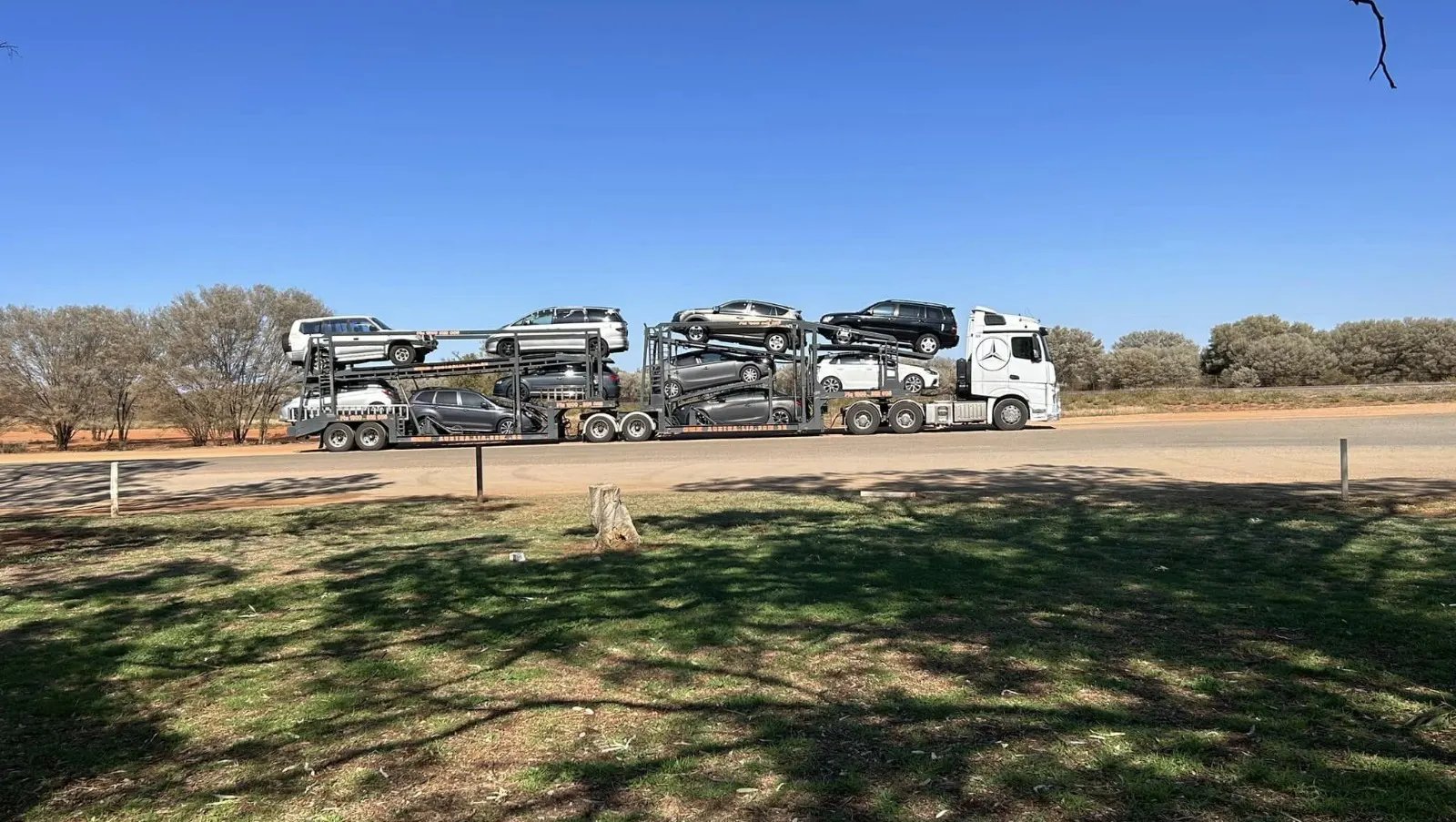
Open-Air Carriers: This is the industry standard. Your hybrid will be securely strapped to an open, multi-car trailer. It’s highly cost-effective and perfectly safe, though your car will be exposed to the weather and standard road dust along the way.
Enclosed Carriers: If you’re transporting a luxury hybrid or a brand-new showroom model, you might opt for an enclosed truck. This provides a physical shield against the elements, rock chips, and severe weather. Because fewer cars fit in an enclosed trailer and the service is considered premium, this option will sit at a higher price point.
How much convenience are you looking for? If you want the absolute most budget-friendly option, choosing Depot-to-Depot transport is the way to go. You drop your hybrid off at a designated transport hub in your starting city, and you pick it up at a hub in your destination city.
If you prefer a seamless experience, Door-to-Door delivery is the premium choice. A driver will come directly to your home or office, load the vehicle, and deliver it straight to your new driveway. The extra logistics of navigating residential streets with a heavy transport truck add a premium to the final calculation.
Are you moving a compact hybrid hatchback or a massive, fully-loaded hybrid SUV? The physical footprint of your car matters. You can check your vehicle's official specs via the Australian Government's Green Vehicle Guide to see how your specific model stacks up. Larger vehicles take up more physical space on a trailer, which nudges the price upward.
Furthermore, is the car running? If you are buying a salvage hybrid or one with a depleted battery that cannot be driven onto the trailer under its own power, the transport company will need specialized winching equipment to load it. Non-running vehicles always attract an additional handling fee.
So, how do you ensure you aren't overpaying?
First, be flexible with your dates. If you can give the transport company a window of a few weeks rather than demanding a strict, urgent delivery date, they can fit your vehicle onto a truck that is already making the journey, passing the logistical savings on to you.
Second, prepare your vehicle properly. Ensure the car is clean (so pre-transport damage inspections are accurate), remove all personal items from the interior, and make sure the tires are properly inflated. A well-prepared car moves smoothly through the transport network.
At Easy Car Transport, we know that handing over the keys to your hybrid requires a massive amount of trust. We don't believe in hidden fees, surprise surcharges, or confusing logistics.
Whether you are relocating a heavy hybrid SUV to the other side of the country, or just moving a daily driver a few hours up the coast, we tailor our quotes specifically to your vehicle and your exact route. Our logistics team understands the specific weight and handling requirements of hybrid vehicles, ensuring your car is moved safely, legally, and highly efficiently.
Ready to find out exactly what your move will cost? Skip the guesswork. We’ll calculate all the variables and provide you with a transparent, highly competitive rate to get your hybrid safely to its new home.