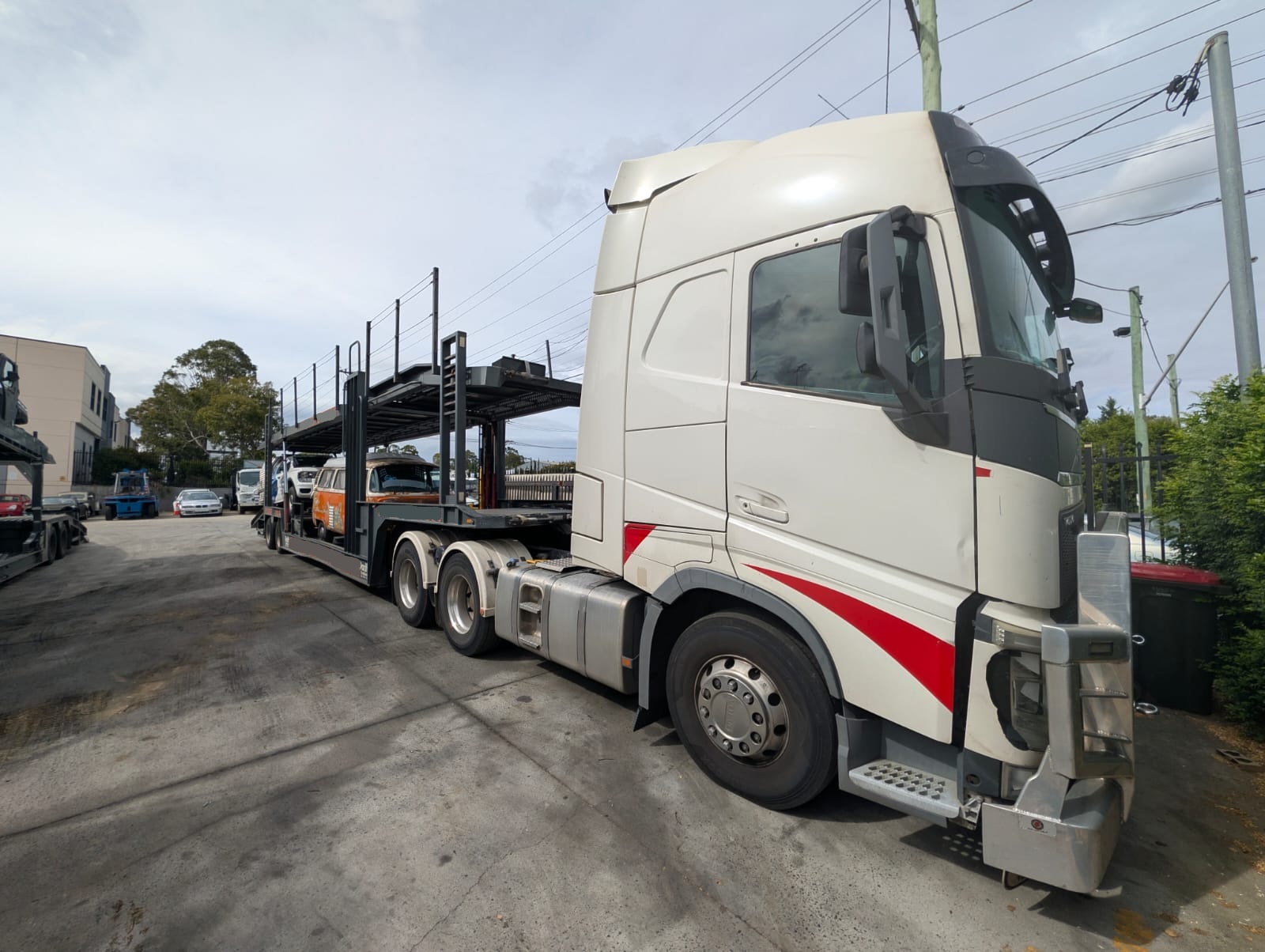
Let’s face it: Australian weather is famously unpredictable. One minute you’re driving under clear blue skies, and the next, a torrential downpour turns the highway into a slippery obstacle course. When you are entrusting your pride and joy to an auto logistics company, watching those dark clouds gather can understandably spark a bit of anxiety.
If you are preparing to move a vehicle across the country, you are likely asking yourself a very practical question: how does heavy rain affect interstate transport?
It’s a smart thing to ask. Moving a multi-ton machine safely across thousands of kilometres is a complex logistical dance, and adverse weather certainly changes the rhythm. But with the right team behind the wheel, your vehicle is in perfectly safe hands. Here is everything you need to know about how weather impacts auto freight and how Easy Car Transport Australia navigates the storm to deliver your car securely.
When severe weather strikes, the primary concern for any reputable transport company isn't just sticking to the schedule—it is absolute safety. Heavy rain brings reduced visibility, slick road surfaces, and, in many parts of Australia, sudden flash flooding.
To manage these risks, heavy vehicle operators are trained to adapt instantly. According to safety frameworks set out by the National Heavy Vehicle Regulator (NHVR), truck drivers must significantly adjust their driving behaviour during adverse weather. This means reducing speed, increasing following distances, and pulling over safely if visibility drops below acceptable levels. While these safety protocols are essential for protecting the drivers, the public, and your vehicle, they do mean that transit times can occasionally stretch.
The most direct impact of a heavy downpour is on the delivery schedule. Large car carriers require specific, designated freight routes to navigate safely. If a major arterial road like the Pacific Highway or the Bruce Highway experiences localized flooding, transport trucks cannot simply detour down a narrow suburban backstreet.
If a primary road is closed, the carrier must wait until the water recedes or take a significantly longer, approved detour. At Easy Car Transport Australia, our logistics dispatchers constantly monitor live radar updates from the Bureau of Meteorology (BOM) to anticipate severe weather fronts. By staying ahead of the forecast, we can often proactively reroute carriers to minimize delays. More importantly, we prioritize clear communication, ensuring you are updated on your vehicle’s journey every step of the way.
A common worry among car owners is whether the rain itself will harm their vehicle during transit. If you opt for standard open car transport, your vehicle will be exposed to the elements, exactly as it would be if you were driving it down the road yourself. Modern cars are built with advanced weatherproofing to withstand heavy rain, so a standard downpour won’t cause structural damage. However, it will likely arrive needing a good wash!
If you are transporting a classic, vintage, or highly valuable luxury vehicle, you might want absolute peace of mind against the elements. In that case, upgrading to enclosed car transport is your best bet. This premium service shields your vehicle entirely from rain, hail, road debris, and heavy winds, ensuring it arrives in showroom condition regardless of what the Australian skies decide to do.
Even though the carrier does the heavy lifting, you can take a few simple steps to ensure your vehicle is ready for a rainy journey:
Check Your Seals: Ensure all windows, the sunroof, and doors are completely closed and securely sealed. You do not want any unexpected water sneaking into the cabin.
Document the Condition: Always wash your car and take high-quality, date-stamped photos before handing over the keys. This is a best practice recommended across the Australian automotive industry to ensure you have a clear, indisputable record of your car’s pre-transport condition.
Remove Valuables: Make sure no personal items are left inside, as they can shift or get damaged if the truck needs to brake suddenly on a wet road.
Understanding how does heavy rain affect interstate transport ultimately comes down to acknowledging that while weather causes temporary delays, it never has to compromise safety. Mother Nature is out of our control, but how we respond to her is entirely within it.
At Easy Car Transport Australia, we combine experienced drivers, state-of-the-art equipment, and proactive route management to deliver your vehicle safely, rain or shine. Ready to get moving? Reach out to our team today or explore our interstate car transport services to plan your next journey with confidence.