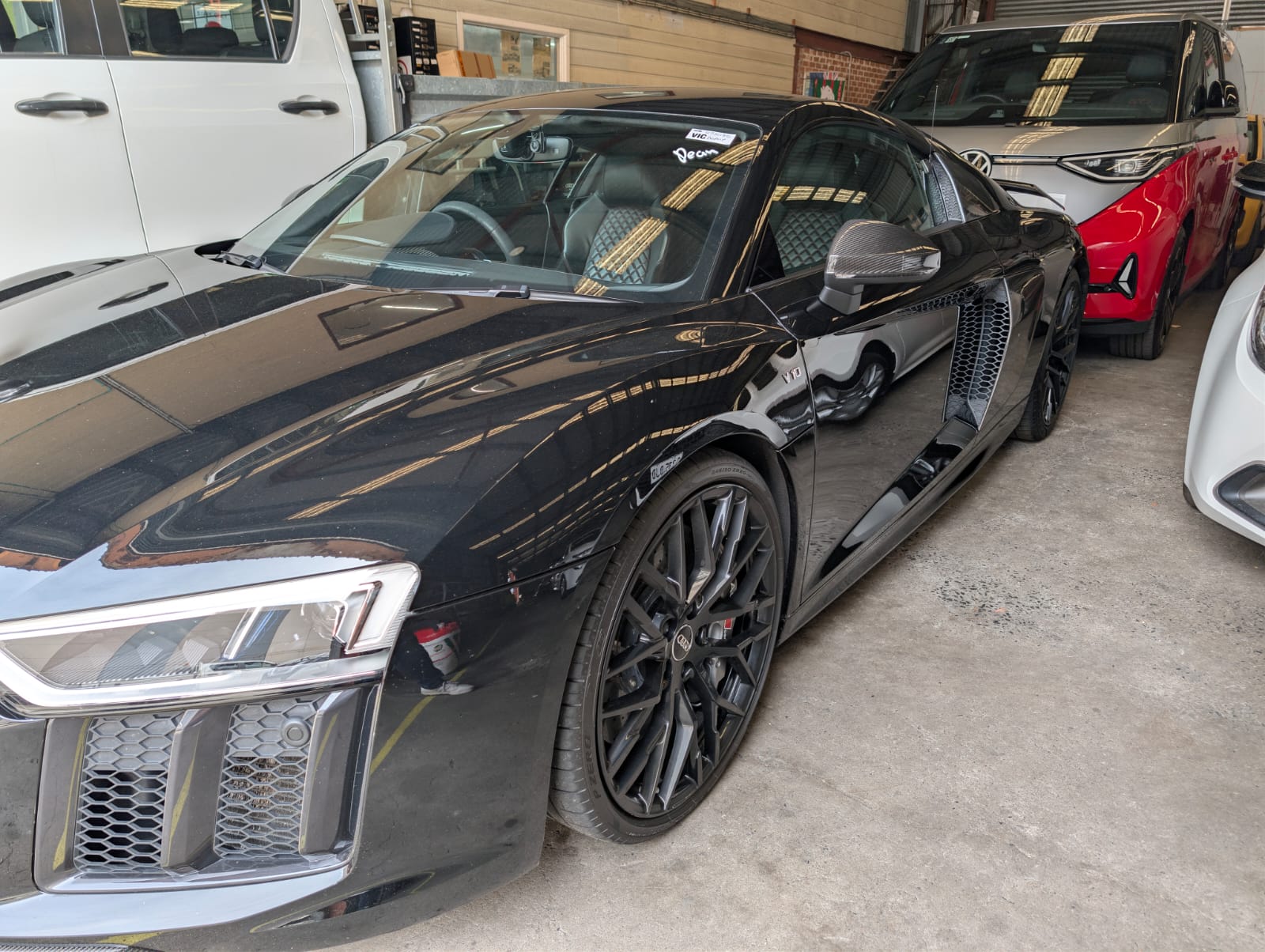
Anyone who owns a classic car knows the ultimate truth: it is never just a car. It is a rolling piece of art, a weekend passion project, and a cherished member of the family. So, when the time comes to move your vintage beauty across the country, handing the keys over to a stranger can feel incredibly nerve-wracking.
Navigating the logistics of Classic Cars transport Australia style means factoring in vast distances, extreme climates, and the delicate, often temperamental nature of older vehicles. Here is everything you absolutely must know before your pride and joy hits the open road.
The Australian outback is stunning, but it can be brutally harsh on a vintage paint job. When booking your transport, your first major decision is choosing between an open carrier and an enclosed one.
Open transport is a highly efficient way to move everyday commuters. But for a classic? You are exposing it to flying road debris, red dust, harsh UV rays, and unpredictable sudden storms. Enclosed transport, on the other hand, acts like a mobile garage. It shields your vintage Mustang or classic Holden from the elements entirely, ensuring it arrives looking exactly as pristine as it did when it left. While enclosed transport is a premium service, the absolute peace of mind it offers is usually worth its weight in gold to a collector.
Never assume that a standard transport policy automatically covers the true, agreed value of a restored classic car. Standard transit insurance often calculates payouts based on a vehicle's current market depreciation, which simply doesn't apply to a fully restored 1960s icon.
Before booking any service, it is highly recommended to check with your dedicated classic car insurer—like the experts over at Shannons Classic Car Insurance—to see if your current policy covers interstate transit. Always ask your transport provider for a copy of their insurance certificate and read the fine print to ensure there are no glaring gaps in coverage.
Transporting a classic isn't a "park and forget" situation. You need to prep the vehicle properly to ensure a seamless journey.
First, give the car a thorough wash. Why? Because a clean car makes it much easier to document its current condition. Take clear, well-lit photos from every angle, including the interior and undercarriage, right before it gets loaded onto the truck.
Next, check for any fluid leaks. Older cars are notorious for the occasional oil or coolant drip. Transport companies need to know about this so they can position the car safely, ensuring it doesn't leak onto other vehicles parked below it on a multi-tier trailer. Finally, make sure the fuel tank is only about a quarter full to reduce unnecessary weight, and remove any loose interior items or aftermarket custom accessories that could bounce around during transit.
Standard tow trucks are fine for a modern, broken-down hatchback, but classic cars often feature lower ground clearances, custom suspensions, and fragile chassis components. They require highly specialized tie-down techniques—like soft wheel-strapping instead of rigid chassis-chaining—to prevent structural damage.
It pays to work with a team that genuinely respects the heritage of Australian motoring, much like the Council of Heritage Motor Clubs Australia, an organization dedicated to the preservation of these historical vehicles. You want drivers who know exactly how to handle a delicate manual choke or navigate a vintage gearbox without grinding the gears.
At the end of the day, moving a vintage car shouldn't be a source of anxiety. By choosing the right transport method, double-checking your insurance coverage, and doing a bit of mindful prep work, you can ensure your classic arrives safely at its new home, ready for its next Sunday cruise.
If you are looking for a team that treats your vehicle with the exact level of care and respect it deserves, reach out to Easy Car Transport Australia. We share your deep passion for incredible cars, and we are here to make the journey as smooth as the ride itself.